Emergency Hotshot Trucking Near Me - Calgary
What Qualifies As An Emergency Hotshot Load?
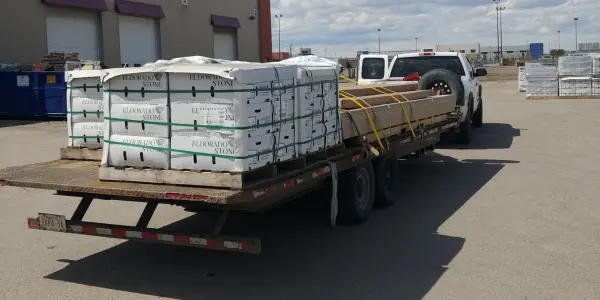
Qualifying freight shares one trait: it cannot sit on a dock waiting for a standard schedule. Critical machinery parts, construction materials, and oilfield supplies fall into this category whenever a job site in Calgary stalls without them. Industrial equipment and loaded pallets qualify too, as long as the delay carries real operational cost. Emergency hotshot trucking near me Calgary searches typically come from dispatchers facing exactly this kind of deadline pressure.
Need to request a hotshot NOW?
Text your need to 403-690-4636
Which industries rely on this type of freight?
Construction companies, oil and gas operations, and manufacturers lean on expedited hauling most often. Warehouses, equipment suppliers, and distributors round out the list, since each operates on tight production or project timelines. These industrial businesses cannot absorb the cost of a delayed shipment, which makes rush capacity a planning necessity rather than a backup option.
Does load size change the equation?
Size matters less than urgency, but smaller loads often move faster through dedicated gooseneck hot shot units.
-
Loads up to 10,000 pounds fit standard gooseneck hot shot capacity
-
Smaller shipments skip the wait for full truckload space
-
Oilfield equipment transport same-day Alberta requests frequently fall into this weight range
Procurement leads evaluating hotshot hauling Fort McMurray routes or industrial rush freight Edmonton corridors should flag urgency and weight upfront. Both factors determine which unit responds fastest.
How Do You Choose An Emergency Hauler?
Selecting a hauler for urgent Calgary freight starts with dispatch practices, fleet range, and pricing clarity, not just truck availability. Procurement leads evaluating emergency hotshot trucking near me Calgary searches should weigh how a carrier assigns vehicles and communicates during transit. Both factors determine whether a shipment arrives on schedule.
Dedicated trucking matters most under time pressure. A vehicle assigned solely to one client's load skips the shared-stop routing that delays multi-client runs, which keeps a single oilfield or construction shipment moving directly to its destination. Fleet versatility matters just as much. Sprinter vans handle smaller parts, straight trucks carry mid-size loads, and tractor trailers move bulk freight. Flatdecks and enclosed trailers protect specialized or weather-sensitive cargo.
What Separates A Reliable Carrier From A Risky One?
Reliability shows up in two places: equipment match and pricing honesty. A carrier offering oilfield equipment transport same-day Alberta work should quote rates on the spot, without hidden add-ons. Dispatchers can budget accurately against tight deadlines.
Site superintendents arranging hotshot hauling Fort McMurray or coordinating industrial rush freight Edmonton should also confirm:
-
Vehicle sizing matched to shipment volume, not oversized by default
-
Enclosed trailer options for sensitive freight
-
Proactive updates from pickup through delivery
Communication throughout dispatch remains the first signal of a dependable hauler.
Why Does Regional Coverage Prevent Rig Downtime?
Regional coverage prevents rig downtime by routing cargo directly between pickup and delivery points, skipping the hub transfers that stall freight headed for Calgary job sites. Hub-free routing matters because every transfer point adds handling time, and oilfield schedules rarely absorb the wait. A single delayed part can idle a crew for hours, a cost that outweighs the price of faster freight.
Direct intercity courier routing reinforces this advantage. Skipping depot handling keeps freight secure and moving toward Calgary without the pauses that come from sorting facilities. Fewer touchpoints mean fewer chances for damage, misrouting, or lost time.
Oilfield and construction operations run on schedules that leave no room for error. Emergency hotshot trucking near me Calgary searches spike for a reason: site superintendents need confirmation that a part is moving, not sitting in a queue. Dispatch options built for this pressure typically include:
-
Point-to-point routing with no intermediate hub stops
-
Direct intercity courier lanes avoiding depot handling
-
Round-the-clock dispatch availability across the region
Does regional trucking cover remote project sites outside Calgary?
Round-the-clock availability extends coverage across Alberta and Western Canada, supporting dispatch needs for remote sites. This matters for crews running oilfield equipment transport same-day Alberta requests. hotshot hauling Fort McMurray routes and industrial rush freight Edmonton lanes demand the same urgency as Calgary deliveries. Procurement leads evaluating carriers should confirm availability outside standard business hours before committing freight to a schedule.
Conclusion
In closing, emergency hotshot trucking in Calgary demands a carrier that matches urgency with operational precision. The distinction between reliable service and costly delays rests on direct routing, fleet versatility, and transparent pricing, factors that separate carriers equipped to handle oilfield and construction pressures from those that cannot. When site superintendents require confirmation that critical freight moves without hub delays or hidden fees, the choice becomes clear: regional expertise and round-the-clock availability determine whether operations maintain schedule or face downtime costs that far exceed expedited transport rates.